

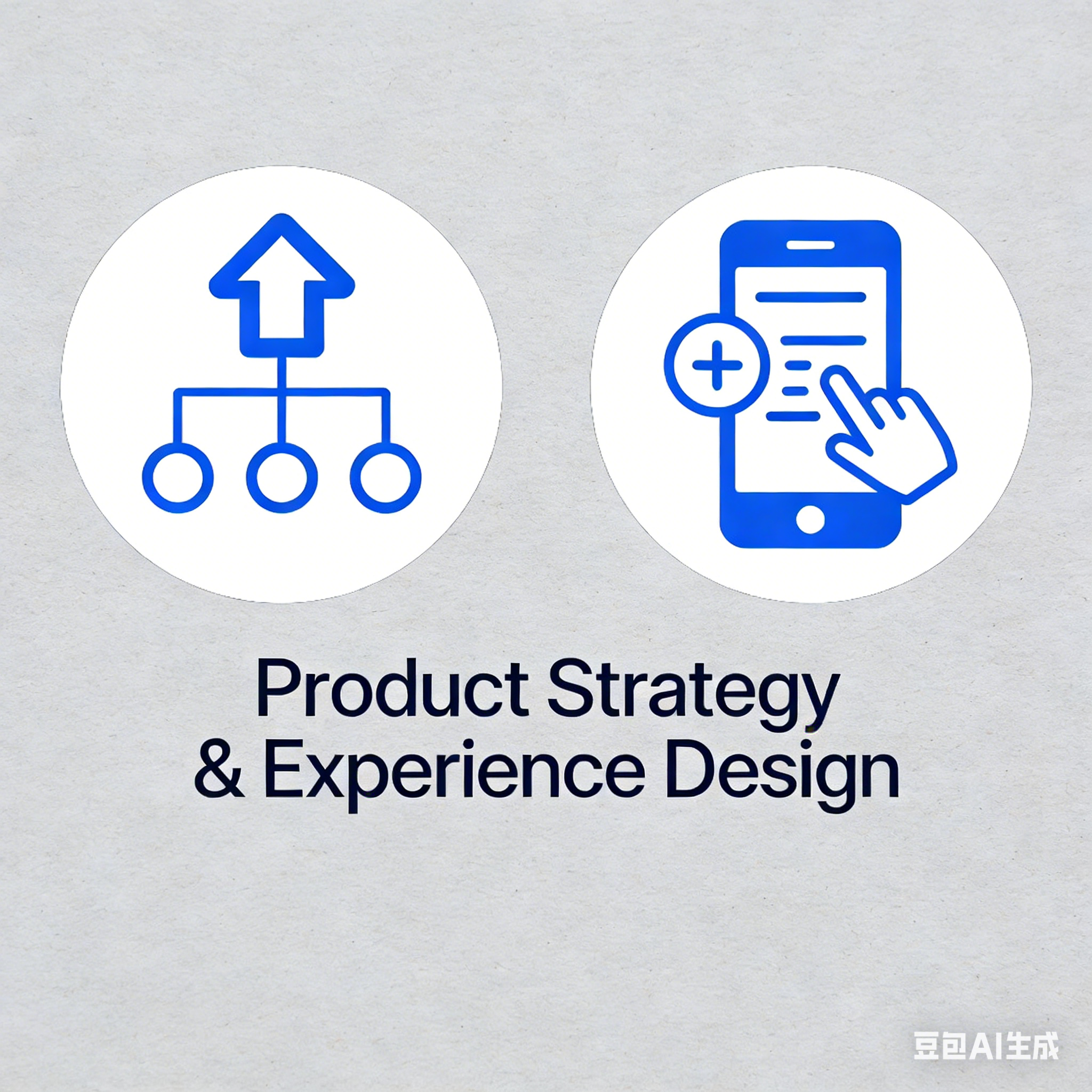
Computer software design services-Product Strategy and Experience Design Services
This is the most upstream and creative design service, focusing on defining ‘what to do’ and ‘why to do it’.
Product Strategy and Planning: Conduct market analysis, user research, define product vision, positioning, and core functional roadmap.
User experience design: including user research, information architecture, interaction design, and user journey mapping to ensure that product logic aligns with user mindset.
User interface design: Conduct visual design, establish design systems, create high fidelity prototypes, define the “appearance” and visual standards of the product.
Characteristics: The deliverables mainly consist of design drafts, prototypes, specification documents, and strategy reports, rather than executable code. It is the direct basis for subsequent development work.
Our team is composed of professional and experienced product managers, system architects, full stack engineers, and testing experts – enabling us to provide full process services from requirement analysis, prototype design, development and implementation, deployment and launch, as well as continuous operation and maintenance support and technical iteration. All of this relies on our elite technical team that has undergone strict screening and pre evaluation, as well as a mature development management system.
Frequently asked questions
Computer software design refers to the systematic engineering activity of transforming user requirements into specific software system structures, module relationships, and implementation plans during the software development process. It is not only the planning stage before writing code, but also the core process that determines software quality, maintainability, and scalability.
What should we do if the demand keeps changing and the design becomes rigid?
How to avoid the system pulling the whole body?
Service List
- Computer software design services-Product Strategy and Experience Design Services
- Computer software design services-Solution and Architecture Design Services
- Computer software design services-Customized development and implementation services
- Computer software design services-Technical optimization and operational enhancement services