


Text and numeric wireless digital messaging services
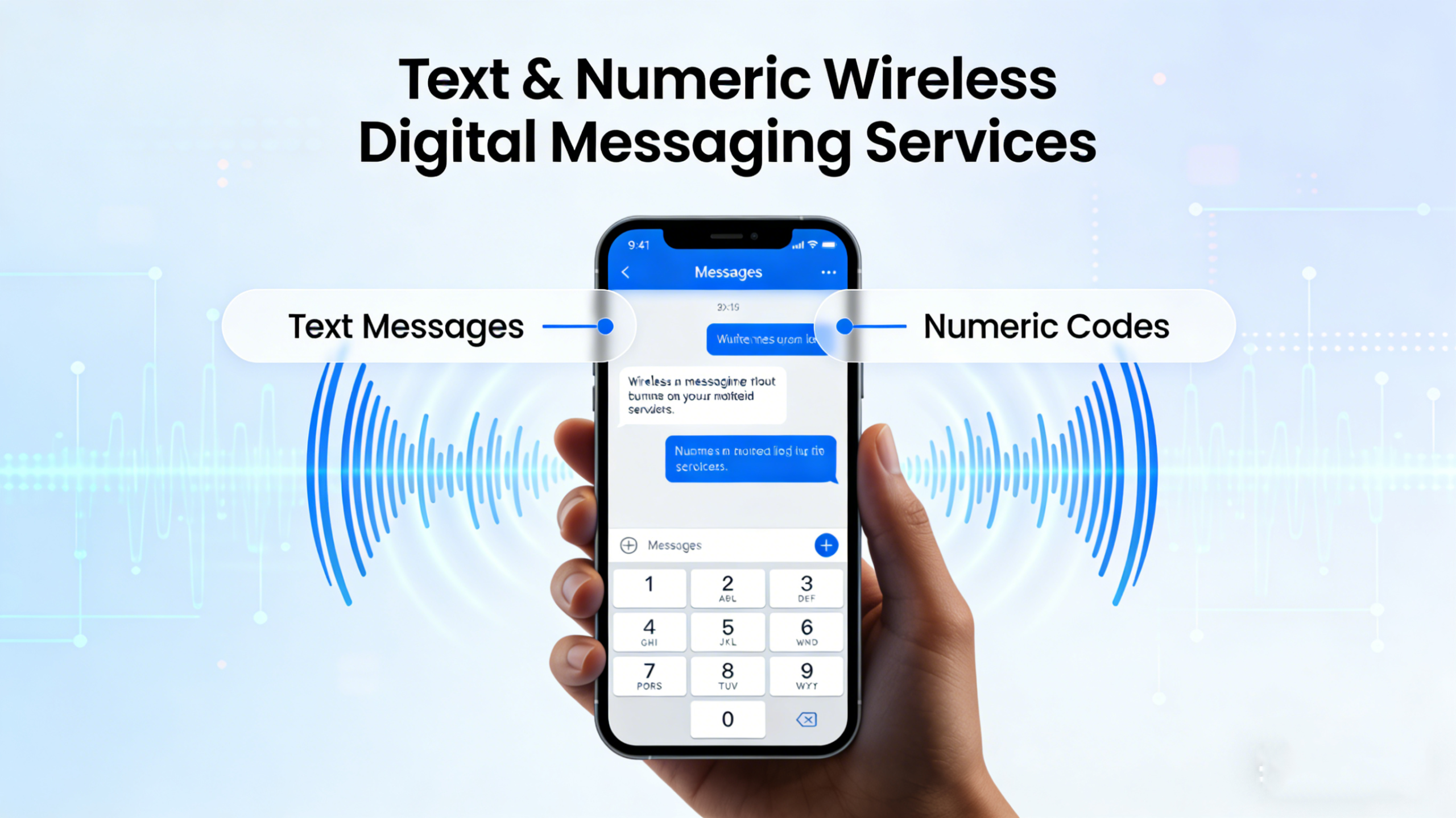
Text and numeric wireless digital messaging services refer to a set of wireless communication solutions dedicated to the secure, real-time transmission of text-based content and numeric data across diverse devices and networks. Unlike traditional messaging, this service leverages digital wireless technologies—including cellular networks, IoT (Internet of Things) connectivity protocols, and short-range wireless standards—to ensure efficient data delivery, with high compatibility for both consumer and enterprise-grade terminals.
Point to point SMS service
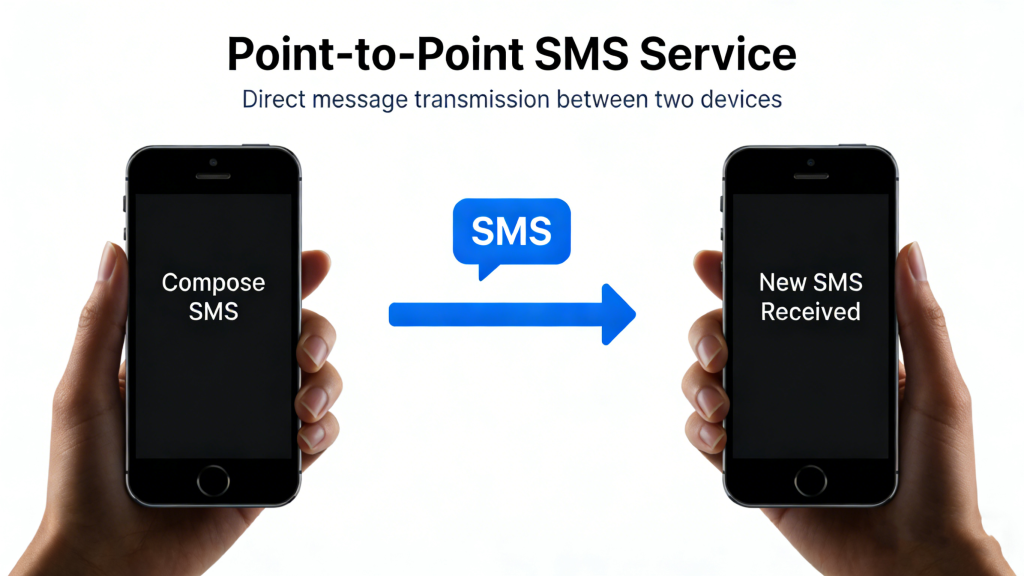
Point to point SMS service is a basic text messaging solution that enables direct, real-time communication between individual mobile devices. It supports one-to-one and group text transmission, with high delivery stability and global coverage of mainstream telecom operators. This service is applicable to personal daily communication, small team internal notification, and individual-to-individual information interaction scenarios.
Service Mode
Direct Device-to-Device Transmission: Messages are sent and received directly between user terminals via telecom operator networks, without third-party application intervention.
Group Messaging Support: Allows users to create contact groups and send unified text messages to multiple recipients at once.
Delivery Status Feedback: Provides real-time status tracking (sent, delivered, read) to confirm whether the message reaches the target terminal.
Pricing Model
Pay-Per-Use: Charged by the number of sent messages, with different unit prices for domestic and cross-border messages (cross-border fees are slightly higher due to international roaming and inter-operator settlement costs).
Volume-Based Discounts: Users who send a large number of messages monthly can enjoy tiered price reductions (the more messages sent, the lower the unit price).
No Monthly Subscription Fee: Only charges for actual usage, no additional fixed costs.
Applied to terminal SMS service
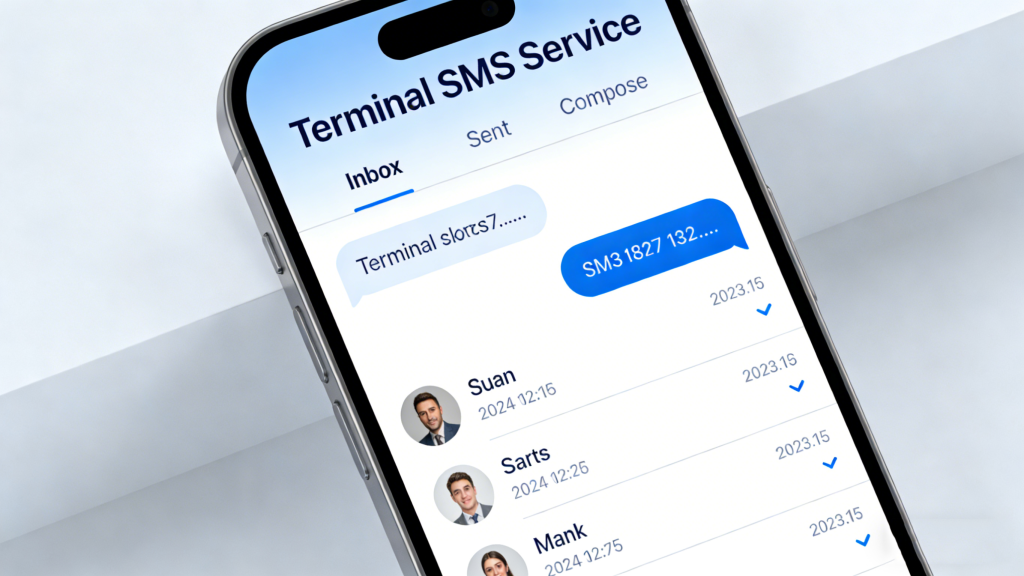
Applied to terminal SMS service is a business-oriented messaging solution that connects enterprise applications, platforms, or systems to individual mobile terminals. It is mainly used for sending verification codes, order notifications, service reminders, marketing promotions, etc. The service features high throughput, fast delivery speed, and compliance with global data security regulations (such as GDPR, TCPA), making it a core tool for enterprises to improve user experience and operational efficiency.
Service Mode
API Integration: Provides standard RESTful API and SDK, enabling seamless connection between enterprise systems (e-commerce platforms, user management systems, etc.) and the messaging platform to realize automated message sending.
Web Console Operation: Offers a visual web management background, allowing enterprises to manually create and send message templates, view sending data, and manage recipient lists.
Customized Message Types: Supports transactional messages (verification codes, order alerts) with priority delivery and marketing messages (promotional information) with time-period sending control.
Compliance Management: Automatically filters sensitive content, adds opt-out keywords (such as “Reply STOP to unsubscribe”), and ensures compliance with regional regulations.
Pricing Model
Dual Pricing for Transactional & Marketing Messages: Transactional messages have a slightly higher unit price due to priority delivery and higher stability requirements; marketing messages have a more cost-effective unit price.
Bulk Package Purchase: Enterprises can purchase monthly/quarterly message packages at a discounted price, which is more cost-effective than pay-per-use for long-term and large-scale usage.
Enterprise Customized Plans: For large enterprises with special needs (such as exclusive channels, customized delivery speed, 24/7 technical support), customized pricing and service packages can be provided.
Enhanced messaging service
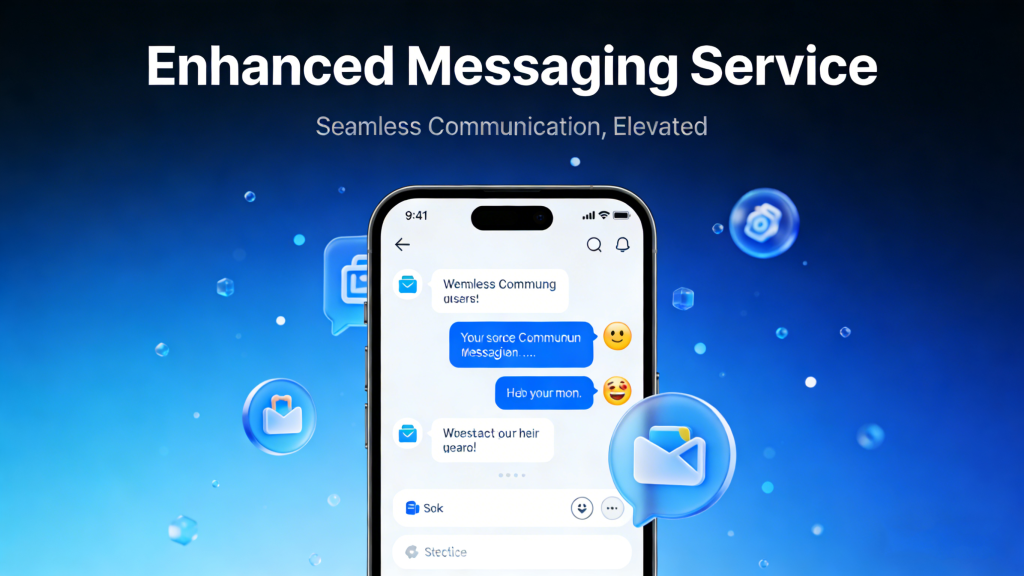
Enhanced messaging service is an enhanced messaging service that upgrades traditional SMS to a multimedia interactive communication platform. Based on operator networks, it supports not only text but also the transmission of images, videos, audio, files, location information, and even in-message interactive functions (such as button clicks, form submissions). RCS breaks through the limitations of traditional SMS, providing users with a richer and more convenient communication experience, and is widely used in enterprise customer service, brand marketing, and user interaction scenarios.
Service Mode
Multimedia Message Transmission: Supports sending high-definition images, short videos (within 100MB), audio clips, and various file formats (PDF, Word, etc.) between terminals or between applications and terminals.
In-Message Interaction: Embeds interactive elements (buttons, menus, forms) in messages, enabling users to complete operations such as order confirmation, product consultation, and appointment booking without jumping to other applications.
Business Card & Location Sharing: Allows users to share electronic business cards with contact information and real-time location information, suitable for business communication and social scenarios.
Enterprise Chatbot Integration: Enterprises can connect intelligent chatbots to RCS to realize 24/7 automatic customer service, answering user questions and handling simple business processes.
Pricing Model
Package-Based Pricing: Charged by monthly packages, including a certain amount of multimedia message traffic and interactive function usage times; over-limit usage is charged at a per-unit rate.
Differentiated Pricing by Content Type: Text-based RCS messages are priced similarly to traditional SMS; messages with large files (videos, high-definition images) are charged according to data traffic.
Enterprise Solution Pricing: For enterprise customers who use RCS for customer service or marketing, pricing is based on the number of interactive sessions, the scale of users covered, and customized function requirements.